




Altaf Moti
Pakistan
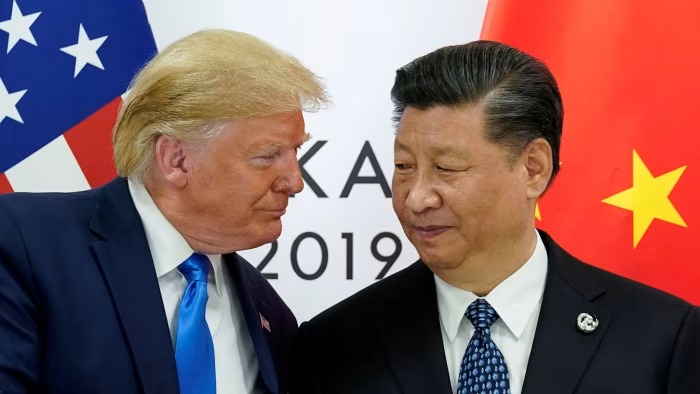
Donald Trump’s victory in the 2024 US presidential election marks a significant turning point in US-China relations, with potentially far-reaching consequences for global trade and economic dynamics. As Trump prepares to return to the Oval Office, his aggressive stance towards China’s economic and trade practices is expected to shape US foreign policy for the next four years.
Trump’s China Strategy: Tariffs and Trade Wars
At the heart of Trump’s approach to China is his commitment to imposing steep tariffs on Chinese imports. During his campaign, Trump proposed tariffs as high as 60% on Chinese goods, a significant increase from the 25% tariffs implemented during his first term. This aggressive stance is rooted in Trump’s belief that China has engaged in unfair trade practices, including intellectual property theft and currency manipulation.
The potential implementation of these tariffs could have severe implications for both economies. For China, already grappling with economic challenges such as a property crisis and high youth unemployment, such tariffs could further strain its export-driven growth mode. Investment bank Macquarie estimates that, at the sky-high 60% level, the tariffs are likely to cut the country’s growth by a full two percentage points, which would be just under half of China’s expected full-year economic expansion rate of 5%.
Beyond Tariffs: A Comprehensive Approach
Trump’s strategy extends beyond tariffs, encompassing a broader range of measures aimed at reducing US dependence on China:
1. Revoking China’s Most-Favored Nation Status: Trump has suggested revoking China’s Permanent Normal Trade Relations (PNTR) status, which would allow the US to impose discriminatory trade tariffs. This move, while drastic, could face significant opposition due to its potential to disrupt global trade norms.
2. Technology Restrictions: Trump’s administration is likely to intensify restrictions on Chinese access to advanced technologies, particularly in sectors like artificial intelligence and semiconductors. This approach aligns with concerns about national security and maintaining US technological supremacy.
3. Investment Restrictions: Trump has pledged to introduce rules preventing US companies from investing in China and vice versa, allowing only investments that serve American interests. This could significantly alter the landscape of US-China business relations.
4. Reshoring Manufacturing: A key component of Trump’s strategy is to incentivize American companies to bring manufacturing jobs back to the US, potentially through tax incentives or penalties for offshoring.
Economic Implications and Global Ripple Effects
The implementation of Trump’s proposed policies could have significant economic consequences:
1. Inflationary Pressures: Higher tariffs on Chinese goods could lead to increased prices for American consumers, potentially fueling inflation.
2. Supply Chain Disruptions: Efforts to decouple from China could lead to significant disruptions in global supply chains, affecting industries worldwide.
3. Retaliatory Measures: China is likely to respond with its own set of retaliatory measures, potentially targeting key US exports or restricting access to rare earth minerals.
4. Global Trade Realignment: Trump’s policies could accelerate the trend of companies diversifying their supply chains away from China, benefiting countries like Vietnam, India, and Mexico.
China’s Potential Responses
Beijing is not likely to remain passive in the face of Trump’s aggressive stance. Potential responses from China could include:
1. Accelerating Self-Reliance: China may double down on efforts to achieve technological self-sufficiency, particularly in critical sectors like semiconductors.
2. Strengthening Regional Ties: China could seek to strengthen its economic relationships with other Asian countries, potentially through initiatives like the Regional Comprehensive Economic Partnership (RCEP).
3. Currency Measures: While China has moved away from direct currency manipulation, it might allow the yuan to depreciate to offset the impact of tariffs.
4. Targeted Retaliation: China could impose its own tariffs on US goods, particularly targeting politically sensitive sectors like agriculture.
Global Implications and Opportunities for Other Nations
Trump’s approach to China could create both challenges and opportunities for other nations:
1. European Union: The EU may find itself in a position to strengthen trade ties with both the US and China, potentially benefiting from any decoupling between the two powers.
2. Southeast Asian Nations: Countries like Vietnam and Indonesia could see increased investment as companies seek to diversify their supply chains away from China.
3. India: As a potential alternative manufacturing hub, India could benefit from companies looking to reduce their reliance on China.
Challenges and Uncertainties
While Trump’s tough stance on China resonates with many Americans, implementing his proposed policies faces several challenges:
1. Economic Interdependence: The deep economic ties between the US and China make rapid decoupling difficult and potentially costly for both sides.
2. Domestic Opposition: US businesses with significant interests in China are likely to lobby against extreme measures that could harm their operations.
3. Global Economic Impact: Aggressive trade policies could lead to a global economic slowdown, potentially harming US interests in the long run.
4. Legal and Institutional Constraints: Some of Trump’s proposed measures, such as revoking China’s MFN status, would require congressional approval and could face legal challenges.
Donald Trump’s return to the presidency signals a potentially turbulent period in US-China economic relations. His proposed policies, centered around high tariffs and economic decoupling, represent a significant departure from traditional trade diplomacy. While aimed at addressing perceived imbalances and unfair practices, these measures carry substantial risks for both economies and the global trade system.
As Trump prepares to implement his vision, the world watches closely. The outcome of this economic confrontation between the world’s two largest economies will likely shape global trade patterns, supply chains, and economic growth for years to come. Businesses, policymakers, and nations worldwide must prepare for a period of increased uncertainty and potential disruption in the global economic order.
The success of Trump’s strategy will depend not only on its implementation but also on China’s response and the broader global economic context. As this new chapter in US-China relations unfolds, it will undoubtedly have far-reaching implications for international trade, technological innovation, and the balance of global economic power.
 English
 Español
 Deutsch
 Français
 العربية