




Altaf Moti
Pakistan
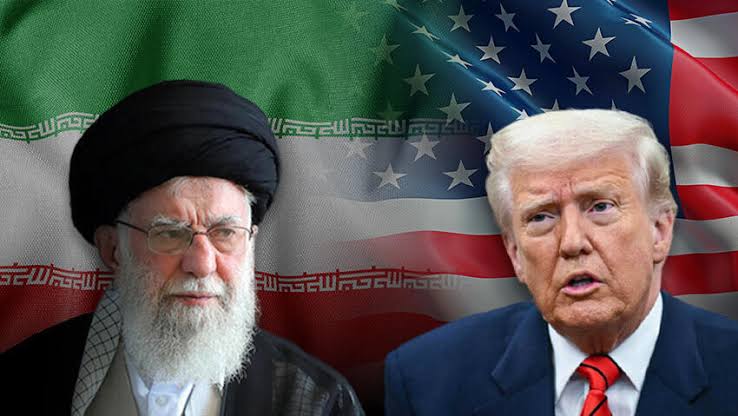
“If Iran shoots and violently kills peaceful protesters… the United States of America will come to their rescue. We are locked and loaded and ready to go.”
With those words, posted on January 2, 2026, President Donald Trump transformed Iran’s internal economic crisis into a global security flashpoint. This warning follows a week of escalating chaos across the Islamic Republic. What began as a protest over bread prices has now become a struggle that could reshape the Middle East.
A Currency in Freefall
The catalyst for this crisis is the total collapse of the Iranian Rial. As of early January 2026, the Islamic Republic of Iran is facing a systemic dissolution of its economy. On December 31, 2025, the Iranian Rial breached a catastrophic psychological barrier. It reached a record low of 1.45 million rials to one US dollar. This collapse is no longer just a fiscal statistic. It has become an existential threat to the regime and a destabilizing force for the entire Middle East.
The Perfect Storm: Sanctions and War
The current crisis is the result of three converging factors. First, the international community invoked the UN “snapback” mechanism in September 2025. This move reimposed all pre-2015 nuclear sanctions and isolated Iran from global trade. Second, the Twelve-Day War with Israel in June 2025 caused massive damage to Iran’s energy infrastructure and exhausted its foreign exchange reserves. Third, domestic mismanagement has reached its limit. The government recently implemented a three-tier gasoline pricing system. This caused the price of non-subsidized fuel to jump to 50,000 rials per liter. This decision backfired. It triggered immediate disruptions in supply chains and sent food inflation soaring past 70%.
From Inflation to Insurrection
The protests that began on December 28, 2025, differ from previous movements. While the 2022 protests were focused on civil rights, the “Winter Uprising” of 2026 is driven by the battle for survival.
* The Protesters: For the first time, traditional merchants from the Tehran Grand Bazaar have joined forces with students and factory workers. By January 2, 2026, demonstrations had spread to 22 out of 31 provinces.
* The Demands: The slogans have moved beyond reform. Protesters are openly calling for an end to the Islamic Republic. They blame the regime for spending billions on foreign conflicts while the domestic minimum wage has fallen to roughly $100 per month.
* The Response: The government has declared sudden public holidays to curb the gatherings. However, the unrest continues to grow. Reports indicate that at least seven people have died in clashes since the start of the year.
Regional Consequences: The End of an Era?
Iran’s economic woes are rapidly spilling over its borders. For decades, Tehran used its wealth to maintain the “Axis of Resistance.” This regional order is now fracturing.
* Proxy Funding Cuts: Due to the massive budget deficit, the IRGC has been forced to reduce subsidies to allies in Lebanon, Yemen, and Iraq. The fall of the Assad regime in Syria in late 2025 has already weakened Iran’s land bridge to the Mediterranean.
* Refugee Crisis: Economic desperation is pushing thousands of Iranians toward neighboring Turkey and Iraq. This creates a new humanitarian challenge for a region already struggling with instability.
* Oil and Security: A weakened Iran may become more unpredictable. Intelligence suggests that as domestic control slips, the regime might accelerate its nuclear program to 90% enrichment as a final deterrent. This raises the risk of a new, wider regional conflict.
A New Regional Order
The collapse of the Rial may permanently change the Middle East. Arab neighbors, such as Saudi Arabia and the UAE, are watching with caution. While they once viewed Iran as a rival, they now fear the chaos of a “failed state” on their doorstep. The prevailing preference in the Gulf has shifted toward containment rather than total collapse.
For ordinary Iranians, the “misery index” is at an all-time high. The divide between the state’s ideological goals and the people’s need for bread has become an unbridgeable chasm.
Iran’s economic crisis is a warning to the world. When a major regional power can no longer support its currency or feed its people, the fallout cannot be contained within its borders. Whether the regime pivots toward radical reform or total confrontation remains the most critical question for 2026. The collapse of the Rial is not just a domestic failure; it is the catalyst for a new and uncertain chapter in Middle Eastern history.
 English
 Español
 Deutsch
 Français
 العربية